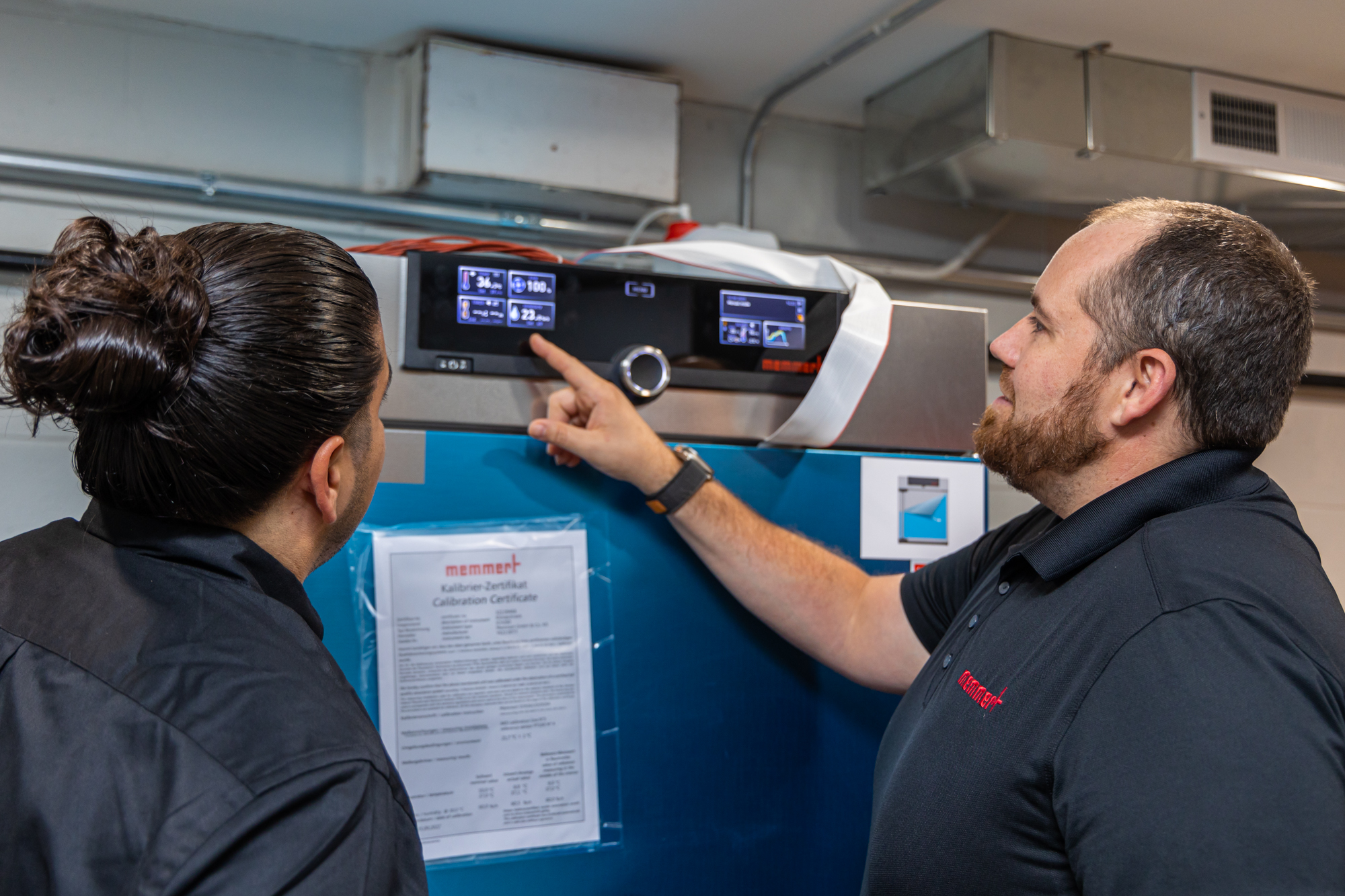
Ask the Service Engineer: Q&A on Maintaining Memmert Universal Ovens and Incubators for 15+ Years of Service
Memmert Universal Ovens (UN/UF series) and Incubators (IN/IF series) are the workhorses of the lab, engineered for precise temperature control. While these units are built for durability, their longevity depends on one thing: consistent, proactive maintenance.
To help you protect your investment, we’ve answered the most common questions regarding the long-term care of your Memmert equipment.
Understanding Service Life
How long should a Memmert Universal unit last? With high-quality stainless steel and proven airflow technology, a 15-year service life is very achievable. Many units remain operational even longer depending on:
- Operating temperatures
- Frequency of use
- Ambient lab conditions
- Adherence to maintenance schedules
The Maintenance Roadmap
Proper care is divided into daily habits and technical milestones.
What is the most important routine task?
Chamber Cleanliness. Because these units rely on uniform air circulation, keeping airflow paths clear is critical.
- Clean the stainless steel chamber with non-abrasive cleaners.
- Clear shelves and wall perforations of debris.
- Inspect the fan cover and air intake areas.
Recommended Maintenance Schedule
|
Weekly |
Visual inspection and light cleaning. |
|
Quarterly |
Check door seals, airflow openings, and fan operation. |
|
Annually |
Full Professional Service: Functional tests, calibration verification, and electrical component checks. |
Pro Tip: We strongly recommend an annual preventive maintenance visit from a Memmert USA service technician to ensure all mechanical and electrical components meet factory standards.
The Critical Role of Door Gaskets
Why are gaskets so important? A damaged gasket is more than a cosmetic issue—it’s an efficiency killer. If the seal is compromised:
- Heat loss increases, forcing the controller to work harder.
- Recovery times slow down after the door is opened.
- Energy consumption spikes, leading to higher operational costs.
Replacing gaskets at the first sign of wear is the simplest way to extend the life of your unit.
Calibration and Accuracy
How often should calibration be checked? For general laboratory use, verify calibration annually. If you are working in a validated or highly regulated environment, you may need more frequent checks based on your specific risk assessment. Regular calibration ensures your data remains "true" and your processes stay compliant.
Warning Signs: Is Your Unit Overdue for Service?
Don't wait for a total breakdown. Watch for these "red flags":
- Sluggish Performance: Slower heat-up or recovery times.
- Instability: Temperature fluctuations or frequent alarms.
- Noises: Unusual sounds coming from the fan.
- Visible Damage: Cracking door seals or controller error messages.
The Bottom Line: Total Cost of Ownership
Preventive maintenance isn't a cost—it's a saving. Over a decade of use, regular service reduces energy bills, prevents expensive emergency repairs, and ensures your laboratory workflow remains uninterrupted.
Final Takeaway
Memmert units are engineered for precision, but proactive care is what ensures they deliver that precision for years to come.
Need a hand? The Memmert USA service team is ready to assist with calibration, parts, or professional preventive maintenance.