AgroTech Trends: The Impact of Adjustable Spectrum LED Lighting
In the rapidly evolving landscape of Agrotech, the ability to mimic the sun is no longer enough. The new frontier of precision agriculture lies in the ability to surpass it. As researchers and commercial growers strive for higher efficiency, the plant growth chamber LED lighting spectra has become the primary lever for accelerating the plant lifecycle and maximizing crop potential.
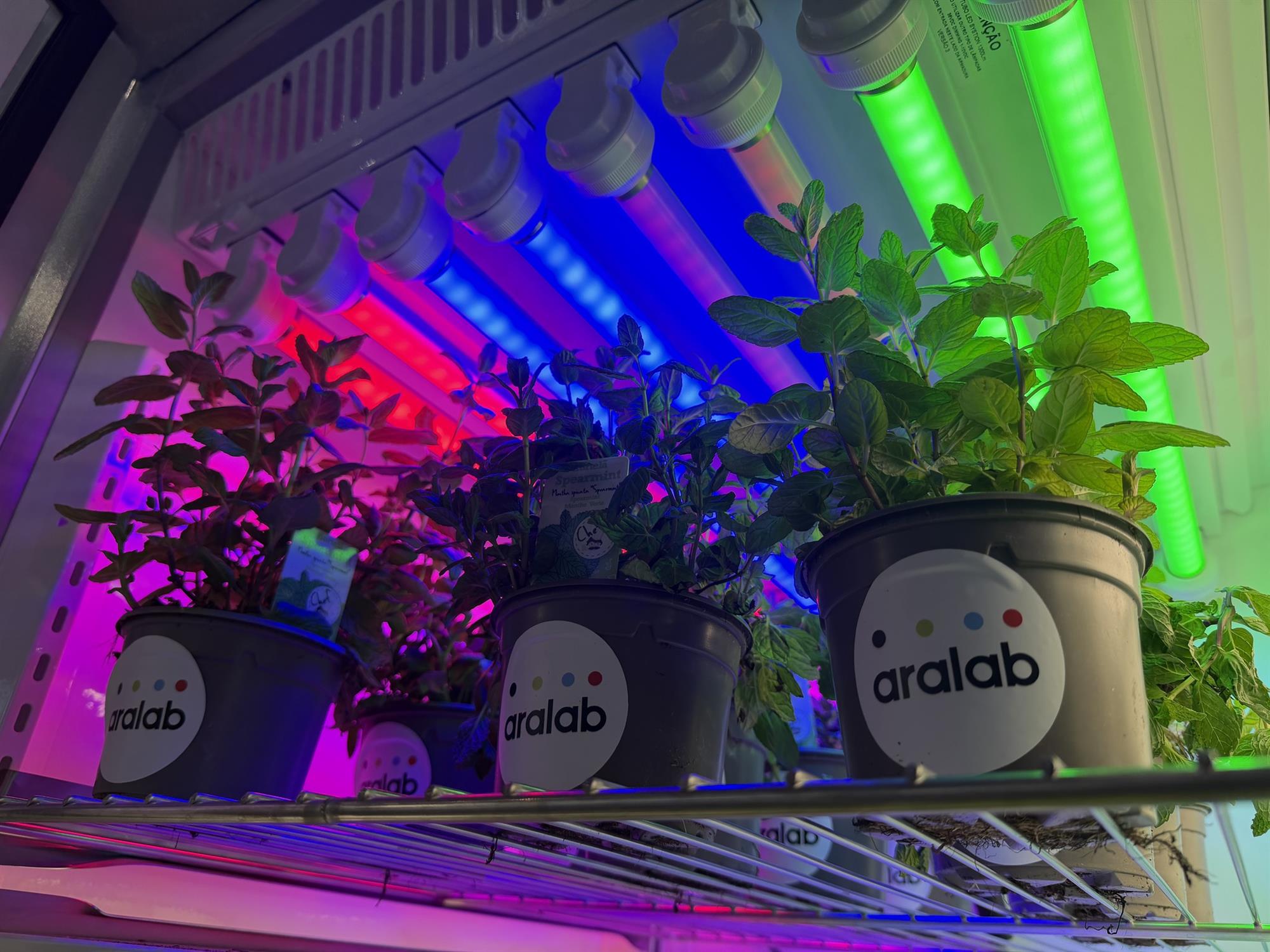
At the heart of this revolution are systems like the Aralab FitoClima Bio walk-in chambers, where light is no longer a static utility but a dynamic "growth recipe."
The Science of Acceleration: Why Spectra Matters
For decades, plant growth was limited by the broad-spectrum output of traditional lamps. Today, we understand that plants are sophisticated light sensors. By manipulating specific wavelengths, we can effectively "program" a plant’s development.
- Blue Light (400–500 nm): The "Vegetative Engine." High concentrations of blue light during early stages promote compact growth, stronger stems, and optimized stomatal opening for better CO2 absorption.
- Red Light (600–700 nm): The "Flowering Trigger." Red wavelengths are the most efficient for driving photosynthesis and are essential for triggering the transition from vegetative growth to flowering and fruiting.
- Far-Red & UV (The 2026 Edge): Modern Aralab chambers now frequently integrate Far-Red light to manage "shade avoidance" responses and UV to enhance secondary metabolites, improving the flavor, color, and nutritional density of the crop.
Precision Manipulation in Aralab Bio Chambers
The Aralab FitoClima Bio series is designed for this exact level of precision. These chambers offer a modular approach to environmental simulation, allowing researchers to adjust not just the intensity, but the specific spectral composition across different growth stages.
Recently, the trend has shifted toward "Prescriptive Lighting." Instead of a static "daylight" setting, growers use AI-driven schedules that shift the spectrum in real-time—increasing blue light in the morning to stimulate stomatal activity and shifting to far-red in the evening to accelerate the flowering clock.
To truly understand the scale of these operations, you have to see the environment in action. While the hardware provides the stable climate, the integrated LED arrays provide the "biological instructions."
Faster Lifecycles, Higher Yields
By utilizing adjustable plant growth chamber LED lighting spectra within this controlled architecture, the time from seed to harvest can be reduced by up to 20–30%. This acceleration is achieved through three key pillars:
- Eliminating "Spectral Waste": Providing only the specific wavelengths (like targeted peaks in the 450nm and 660nm ranges) that the plant requires at its current development stage.
- Heat Management: Aralab’s advanced LED integration generates significantly less heat than traditional HPS systems. This allows lights to be placed closer to the canopy without risking "light burn," ensuring deeper penetration through the tiers shown in the video.
- Circadian Optimization: Using light to "trick" the plant into faster metabolic cycles, effectively fitting more biological "growth days" into a single calendar week.